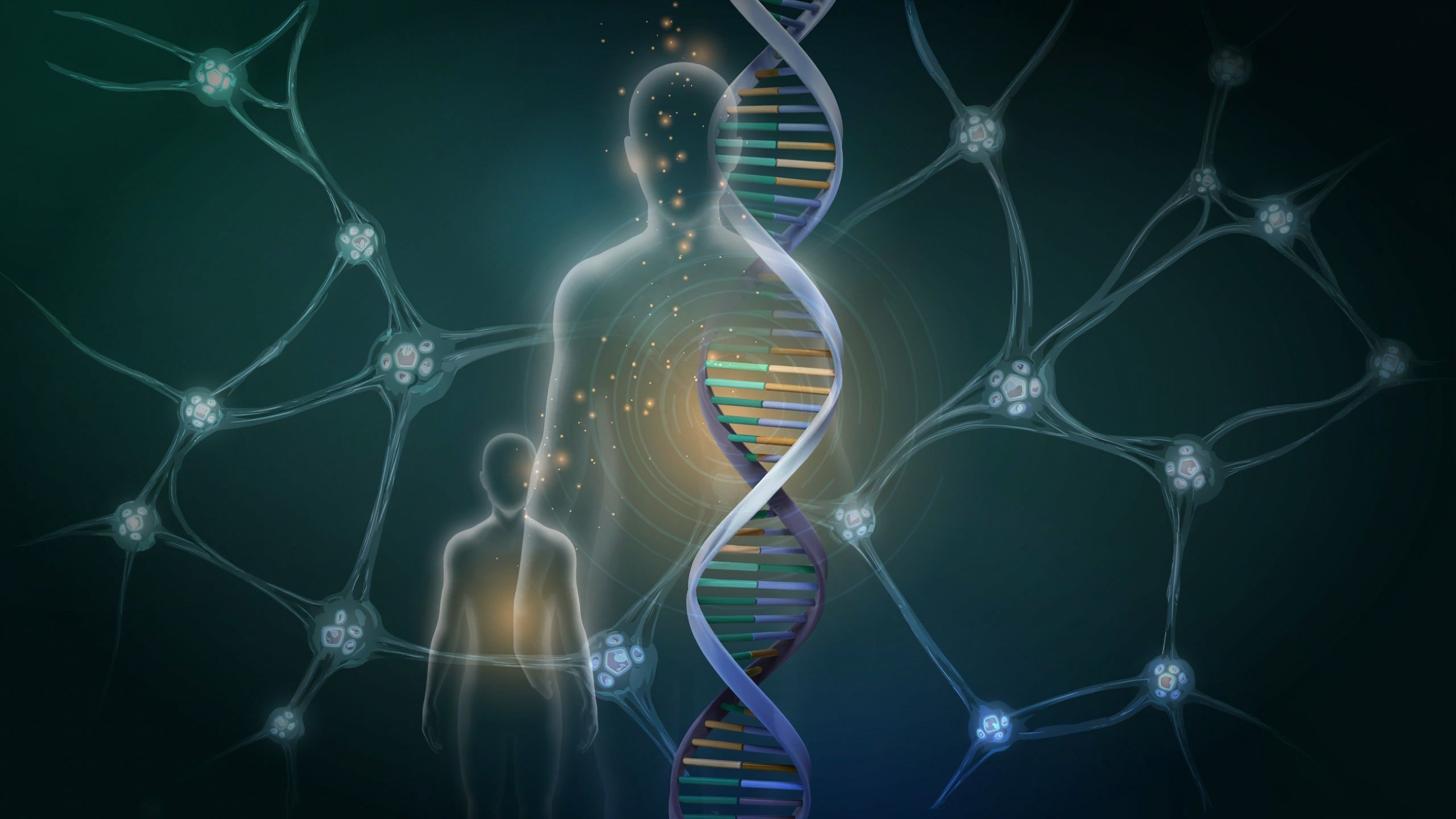
Lifespan summary
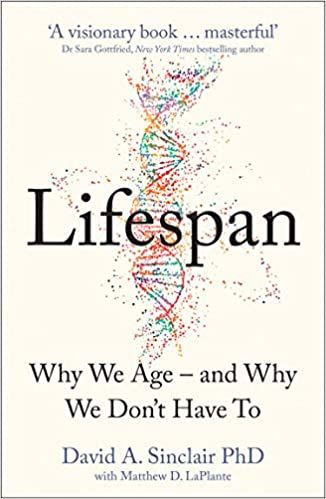
✍️ About the Author: David Sinclair
Dr. David Sinclair is one of the world’s most recognized researchers in the field of longevity science. A professor of genetics at Harvard Medical School, Sinclair has spent decades studying why living organisms age and whether the aging process itself can be slowed, reversed, or fundamentally altered. Through Lifespan: Why We Age—and Why We Don’t Have To, he challenges one of humanity’s oldest assumptions—that aging is an unavoidable decline that must simply be accepted.
Rather than viewing aging as a natural process beyond our influence, Sinclair presents a provocative and optimistic argument: aging may be the underlying cause of most chronic diseases, and understanding its mechanisms could allow humans to remain healthier for far longer than previously imagined.
This is not merely a book about living longer. It is a book about extending vitality, preserving function, and fundamentally redefining what it means to grow older.
🌿 The Radical Idea at the Heart of the Book
For centuries, medicine has treated diseases individually. Heart disease is treated separately from cancer. Diabetes is addressed separately from dementia. Arthritis is considered different from cardiovascular decline.
Sinclair argues that this approach overlooks a deeper truth.
“Aging is the greatest risk factor for most chronic diseases.”
According to the book, many illnesses that emerge later in life share a common root cause: the biological processes associated with aging itself.
If aging drives disease, then slowing aging may simultaneously reduce the risk of multiple conditions.
This idea represents a profound shift in medical thinking. Rather than fighting symptoms one by one, science may eventually address the underlying process responsible for many of them.
🧠 Aging as the Loss of Biological Information
One of the book’s most fascinating concepts is Sinclair’s explanation of why aging occurs. While traditional theories often focus on accumulated damage, Sinclair introduces a different perspective.
He describes aging as an information problem.
“Aging is a loss of information.”
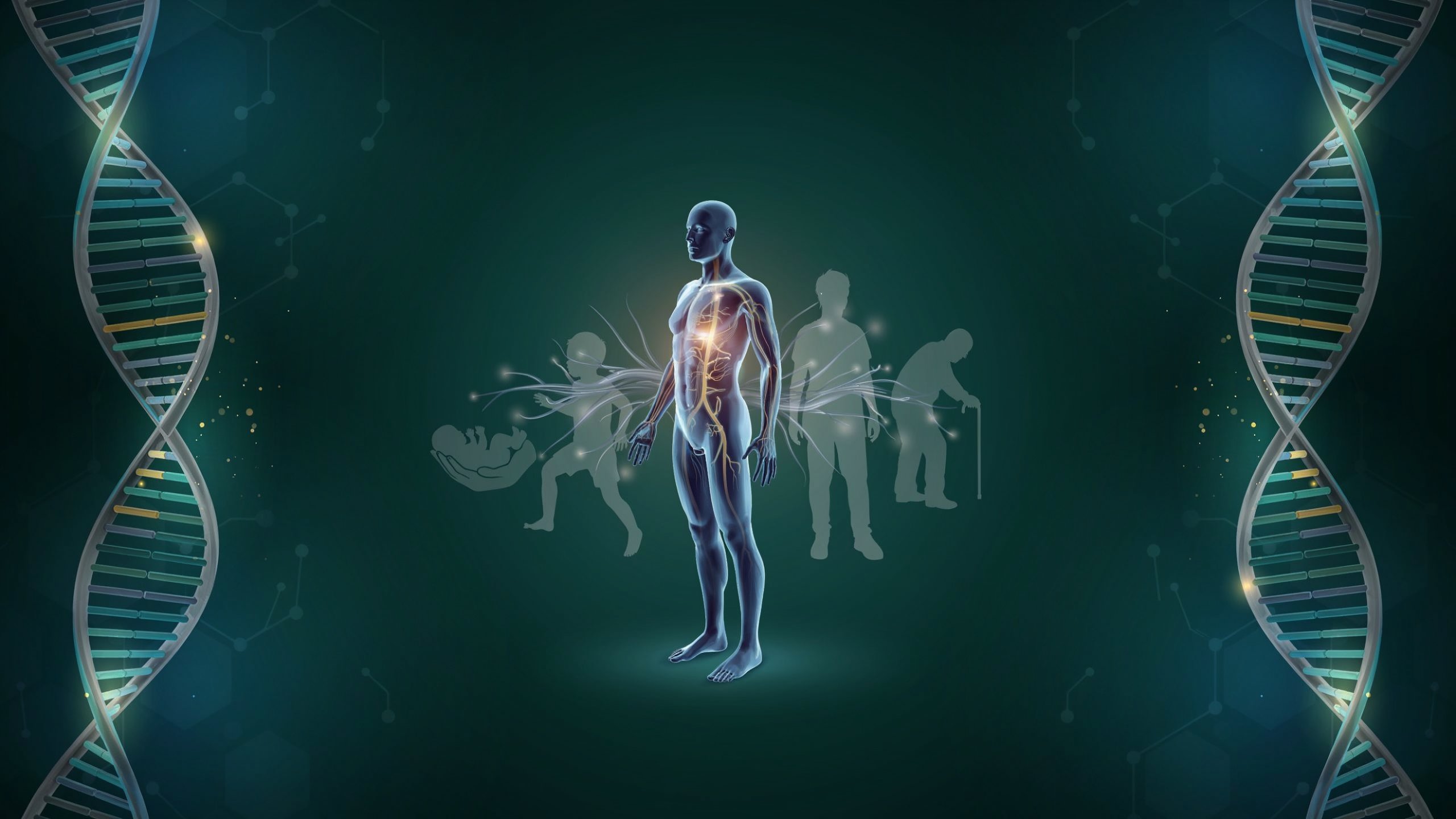
The body’s cells contain the same DNA throughout life, yet over time they begin to lose the ability to read and execute genetic instructions correctly. According to Sinclair, the issue is not necessarily damage to the genetic code itself, but disruption in how that information is organized and expressed.
He compares the process to a scratched compact disc. The music still exists, but accessing it becomes increasingly difficult.
This analogy helps explain why aging affects nearly every system of the body simultaneously.
⚡ The Survival Circuitry Within Us
A recurring theme throughout Lifespan is the idea that human beings possess ancient biological mechanisms designed to promote survival during times of adversity.
Periods of scarcity, environmental stress, physical activity, and challenge historically forced organisms to adapt.
“What doesn’t kill us makes us stronger.”
Sinclair argues that moderate stress activates protective pathways within the body. These pathways help cells repair damage, maintain function, and improve resilience.
Modern life, however, often eliminates many of the challenges that once triggered these survival responses. Constant abundance, inactivity, and comfort may inadvertently reduce the activation of systems that evolved to preserve health.
This perspective transforms the way readers think about discomfort. Certain forms of controlled stress may not be harmful at all—they may be beneficial.
🌱 Healthspan Matters More Than Lifespan
One of the book’s most important distinctions is the difference between lifespan and healthspan.
Living longer is not necessarily desirable if additional years are spent struggling with illness, frailty, or cognitive decline.
Sinclair repeatedly emphasizes that the true goal is extending healthspan—the period of life spent healthy, energetic, and independent.
“The objective is not simply more years. The objective is more healthy years.”
This distinction makes the book feel practical rather than purely futuristic.
The focus shifts from avoiding death to maximizing vitality.
The ultimate vision is a future where individuals remain active, mentally sharp, and physically capable far later in life than current expectations suggest.
🔥 The Science of Longevity and Cellular Resilience
Throughout the book, Sinclair explores the remarkable discoveries emerging from modern longevity research. He discusses genes involved in cellular repair, mechanisms related to energy production, and biological pathways associated with resilience and survival.
The central theme remains consistent: the body possesses extraordinary repair capabilities that often become less effective with age.
“Our bodies are built to survive.”
Rather than portraying aging as an unstoppable downward slope, Sinclair presents it as a dynamic biological process influenced by environment, behavior, and cellular signaling.
This perspective offers hope without promising miracles.
The message is not that aging can be completely eliminated today, but that understanding it scientifically may dramatically improve future health outcomes.
🌊 Rethinking Lifestyle Through the Lens of Longevity
While much of the book explores advanced science, Sinclair also highlights practical lifestyle factors associated with healthy aging.
Movement, nutrition, recovery, stress management, and metabolic health all play important roles in supporting cellular function.
The broader lesson is that longevity is not built through isolated interventions.
It emerges from countless daily decisions that influence biological systems over time.
“Small choices repeated consistently shape long-term outcomes.”
The science may be sophisticated, but many of the principles remain surprisingly simple.
🛡️ The Future of Human Aging
One of the most compelling aspects of Lifespan is its vision of the future.
Sinclair argues that humanity stands at a pivotal moment. Advances in genetics, biotechnology, and longevity research are beginning to challenge assumptions that once seemed unquestionable.
The possibility of extending healthy life by decades is no longer confined entirely to science fiction.
“The first person to live to 150 may already have been born.”
Whether or not such predictions ultimately prove accurate, they encourage readers to think differently about the future of medicine.
The book invites society to imagine a world where aging itself becomes a treatable biological process.
✨ Why This Book Stays With You
Lifespan leaves a lasting impression because it fundamentally changes how aging is viewed.
Rather than depicting growing older as an inevitable decline, it presents aging as a scientific challenge that may be increasingly understood and potentially influenced.
“Aging is not fixed. Aging is plastic.”
The book stays with readers because it combines cutting-edge science with profound optimism.
It encourages curiosity about the future while empowering individuals to think more intentionally about their health today.
🎯 Who Should Read This Book
✔️ Readers interested in longevity, aging, and health science
✔️ Professionals following developments in biotechnology and genetics
✔️ Anyone seeking evidence-based insights into healthy aging
✔️ Health enthusiasts interested in maximizing healthspan and vitality
💭 Final Reflection
Lifespan is ultimately a book about possibility. David Sinclair challenges the belief that aging is simply a one-way journey toward decline and instead presents a future where science may dramatically reshape how humans experience later life.
“The future of aging may be very different from the past.”
Whether one agrees with every prediction or not, the book succeeds in expanding the conversation around health, longevity, and human potential.
Its most powerful message is not that we will necessarily live forever.
It is that aging may be far more flexible—and health far more influenceable—than previous generations ever imagined.
Disclosure: This article contains affiliate links.
Explore more book summaries on Reading Axis. Book Summaries
Read the summary of Atomic Habits – Transform your life in 4 Laws https://thereadingaxis.com/atomic-habits-summary-4-powerful-laws-to-build-good-habits-and-break-bad-ones/
Read the summary of Psychology of Money – Timeless lessons https://thereadingaxis.com/psychology-of-money-summary/
Read the summary of Deep Work https://thereadingaxis.com/deep-work-book-summary/
Read the summary of 48 Laws of Power https://thereadingaxis.com/48-laws-of-power-summary-robert-greene/
Read the summary of Rich Dad Poor Dad https://thereadingaxis.com/rich-dad-poor-dad-summary/
Read the summary of Dopamine Detox https://thereadingaxis.com/dopamine-detox-book-summary/
Read the summary of The Alchemist https://thereadingaxis.com/the-alchemist-summary-personal-legend/
Read the summary of Can’t hurt me https://thereadingaxis.com/cant-hurt-me-summary-david-goggins/