

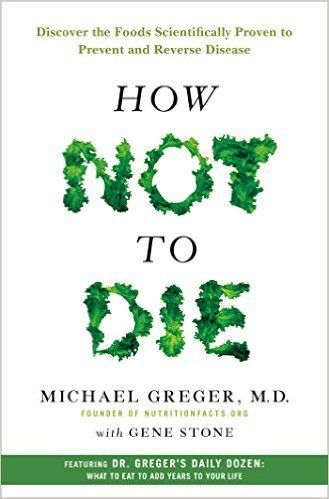
How Not to Die summary
✍️ About the Author: Michael Greger
Dr. Michael Greger is a physician, author, and internationally recognized advocate for evidence-based nutrition. Known for translating complex scientific research into practical health advice, Greger has spent years analyzing thousands of medical studies to uncover a simple but profound truth: many of the diseases that shorten our lives are not inevitable consequences of aging. Instead, they are often closely linked to lifestyle choices, particularly the food we eat every day.
In How Not to Die, Greger presents a compelling argument that nutrition is not merely a way to manage health—it may be one of the most powerful tools for preventing, slowing, and even reversing some of the leading causes of premature death.
🌿 The Modern Health Crisis and the Hidden Role of Lifestyle
The book begins by challenging a common assumption: that chronic diseases are simply unavoidable parts of growing older. Heart disease, diabetes, high blood pressure, certain cancers, and many other conditions are often accepted as normal, especially in modern societies. Yet Greger argues that much of this suffering is not an inevitable outcome of aging, but rather the result of dietary patterns that have become normalized over generations.
“The vast majority of premature deaths can be prevented through simple changes in diet and lifestyle.”
This statement forms the foundation of the book. Rather than focusing solely on treating illness after it appears, Greger encourages readers to think proactively. Health is not something that suddenly disappears—it is something shaped gradually by daily choices.
The book’s central message is not rooted in fear, but in possibility. If lifestyle contributes significantly to disease, then lifestyle can also become a powerful pathway toward prevention.
❤️ Food as Medicine Rather Than Mere Fuel
One of the most transformative ideas presented in How Not to Die is the notion that food influences far more than weight or energy levels. Every meal sends signals throughout the body, affecting inflammation, blood vessels, hormones, immune function, and long-term health outcomes.
“The best way to treat chronic disease may be to prevent it in the first place.”
Greger systematically examines many of the leading causes of death, including heart disease, stroke, diabetes, and cancer, highlighting research that demonstrates the potential impact of dietary patterns.
Rather than portraying nutrition as restrictive, he presents it as empowering. Food becomes an active participant in health rather than a passive necessity.
This perspective fundamentally changes how eating is viewed. Meals become daily opportunities to support wellness rather than merely satisfy hunger.
🧠 The Evidence Behind Prevention
What distinguishes How Not to Die from many health books is its reliance on scientific research. Greger consistently refers to peer-reviewed studies, population data, and clinical findings to support his recommendations.
The book argues that prevention deserves as much attention as treatment, if not more.
“Most deaths in the United States are preventable and related to nutrition.”
This idea encourages readers to move beyond the reactive model of healthcare. Instead of waiting for symptoms to emerge, Greger advocates building habits that reduce risk long before illness develops.
The emphasis throughout the book is not perfection, but informed decision-making. Small, consistent improvements can create meaningful health benefits over time.
🌱 The Power of Plant-Based Nutrition
A recurring theme throughout the book is the value of whole plant foods. Fruits, vegetables, legumes, whole grains, nuts, seeds, and greens appear repeatedly in the research Greger discusses.
Rather than focusing on individual superfoods, he emphasizes dietary patterns.
“One of the most important decisions we make each day is what we put on our fork.”
The book highlights how nutrient-dense foods provide fiber, antioxidants, vitamins, and compounds that support overall health while helping reduce risk factors associated with chronic disease.
Importantly, Greger does not frame nutrition as a temporary diet. He presents it as a sustainable lifestyle approach grounded in long-term wellbeing.
⚡ Small Daily Choices Create Long-Term Outcomes
One of the most practical insights in the book is that health is often shaped by accumulated habits rather than dramatic events.
People frequently search for breakthroughs, miracle cures, or quick fixes. Yet Greger repeatedly returns to a simpler reality: consistent daily decisions matter enormously.
“What we eat can affect our health more than almost anything else we do.”
The significance of this message lies in its accessibility. Regardless of age, background, or starting point, individuals can begin making healthier choices immediately.
Progress does not require perfection. It requires consistency.
🌊 Longevity Is About Quality of Life, Not Just Length of Life
Another strength of How Not to Die is its broader definition of health. The goal is not merely to extend lifespan, but to improve the quality of those years.
Living longer matters far less if those years are burdened by preventable illness, reduced mobility, or chronic discomfort.
Greger encourages readers to think beyond survival and focus on vitality—maintaining energy, independence, cognitive function, and overall wellbeing as they age.
This perspective transforms longevity from a numerical goal into a more meaningful vision of healthy living.
🛡️ Taking Ownership of Personal Health
Throughout the book, Greger consistently emphasizes personal agency. While genetics influence health, lifestyle choices often play a significant role in determining outcomes.
“Genes may load the gun, but lifestyle pulls the trigger.”
This metaphor captures one of the book’s most memorable themes. Genetics create possibilities, but daily habits often determine which possibilities become reality.
The message is not one of blame—it is one of empowerment.
Knowledge becomes valuable because it creates opportunity for action.
✨ Why This Book Stays With You
How Not to Die leaves a lasting impression because it combines scientific rigor with practical relevance. Rather than relying on trends or marketing claims, it encourages readers to evaluate health through evidence and long-term thinking.
Its message feels hopeful because it highlights how much influence individuals may have over their own wellbeing.
“The more we learn about nutrition, the more powerful it appears to be.”
The book stays with readers because it transforms health from something mysterious into something understandable, actionable, and deeply personal.
🎯 Who Should Read This Book
✔️ Readers interested in nutrition, wellness, and preventive health
✔️ Anyone seeking evidence-based insights on healthy living and longevity
✔️ Individuals looking to improve diet, energy levels, and overall wellbeing
✔️ Those interested in understanding how lifestyle influences chronic disease risk
💭 Final Reflection
How Not to Die is ultimately a book about possibility. It challenges the belief that declining health is simply an unavoidable consequence of aging and presents a compelling case for the role of nutrition in shaping the future.
Through research, practical advice, and a focus on prevention, Michael Greger encourages readers to view food not merely as sustenance, but as one of the most powerful influences on long-term health.
“Every meal is an opportunity to nourish and protect the body.”
And perhaps that is the book’s most enduring lesson: health is not built through occasional decisions, but through the thousands of small choices that quietly shape our lives every day.
Disclosure: This article contains affiliate links.
Explore more book summaries on Reading Axis. Book Summaries
Read the summary of Atomic Habits – Transform your life in 4 Laws https://thereadingaxis.com/atomic-habits-summary-4-powerful-laws-to-build-good-habits-and-break-bad-ones/
Read the summary of Psychology of Money – Timeless lessons https://thereadingaxis.com/psychology-of-money-summary/
Read the summary of Deep Work https://thereadingaxis.com/deep-work-book-summary/
Read the summary of 48 Laws of Power https://thereadingaxis.com/48-laws-of-power-summary-robert-greene/
Read the summary of Rich Dad Poor Dad https://thereadingaxis.com/rich-dad-poor-dad-summary/
Read the summary of Dopamine Detox https://thereadingaxis.com/dopamine-detox-book-summary/
Read the summary of The Alchemist https://thereadingaxis.com/the-alchemist-summary-personal-legend/
Read the summary of Can’t hurt me https://thereadingaxis.com/cant-hurt-me-summary-david-goggins/