
The Mind-Gut Connection summary
✍️ About the Author: Emeran Mayer
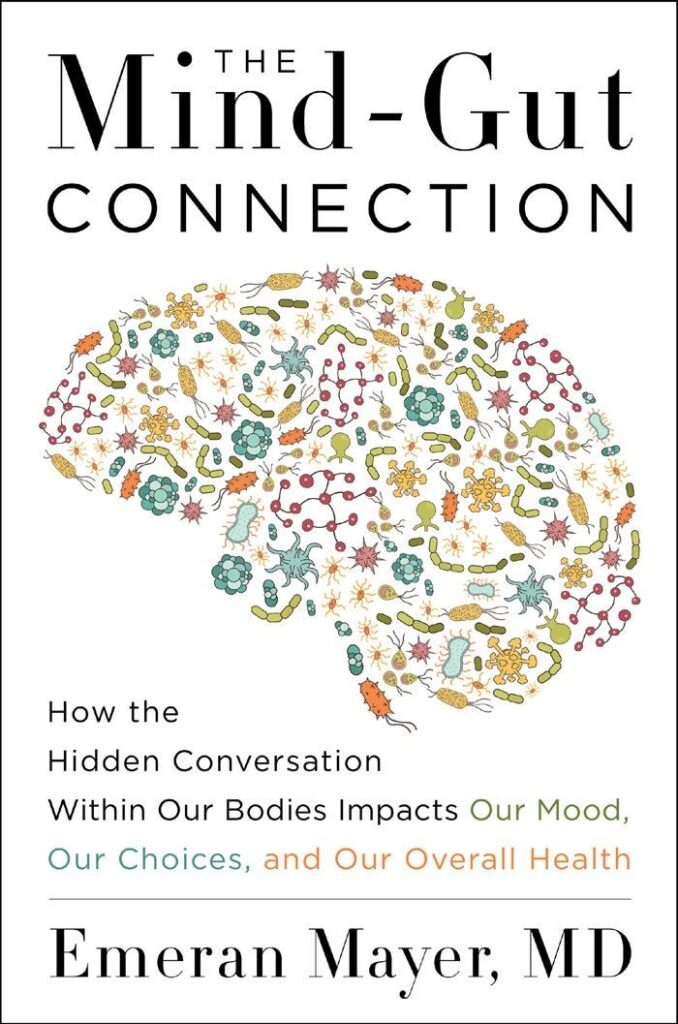
Dr. Emeran Mayer is a pioneering gastroenterologist and neuroscientist whose research has transformed our understanding of the relationship between the digestive system and the brain. For decades, medicine largely viewed the gut as a simple digestive organ whose primary role was processing food. Mayer challenges this limited perspective, revealing that the gut is far more sophisticated than previously imagined. Through The Mind-Gut Connection, he presents a fascinating exploration of how emotions, thoughts, stress, microbes, and nutrition continuously interact within an intricate communication network that influences nearly every aspect of human health.
The book is not merely about digestion. It is about understanding how deeply connected our physical and emotional wellbeing truly are.
🌿 The Hidden Conversation Happening Inside Us
Most people think of the brain as the unquestioned control center of the body. Yet one of the book’s most fascinating revelations is that communication between the brain and gut flows in both directions. The gut is not a passive recipient of instructions. It constantly sends information back to the brain, influencing mood, behavior, emotions, cravings, and even decision-making.
“The gut and the brain are engaged in a continuous dialogue.”
This insight fundamentally changes how health is understood. Anxiety, stress, digestive discomfort, food cravings, and emotional wellbeing may not be separate issues at all. They are often different expressions of the same interconnected system.
Mayer invites readers to move beyond viewing the body as isolated organs and instead see it as an integrated network where physical and emotional experiences influence one another continuously.
🧠 The Gut-Brain Axis: A Two-Way Highway of Information
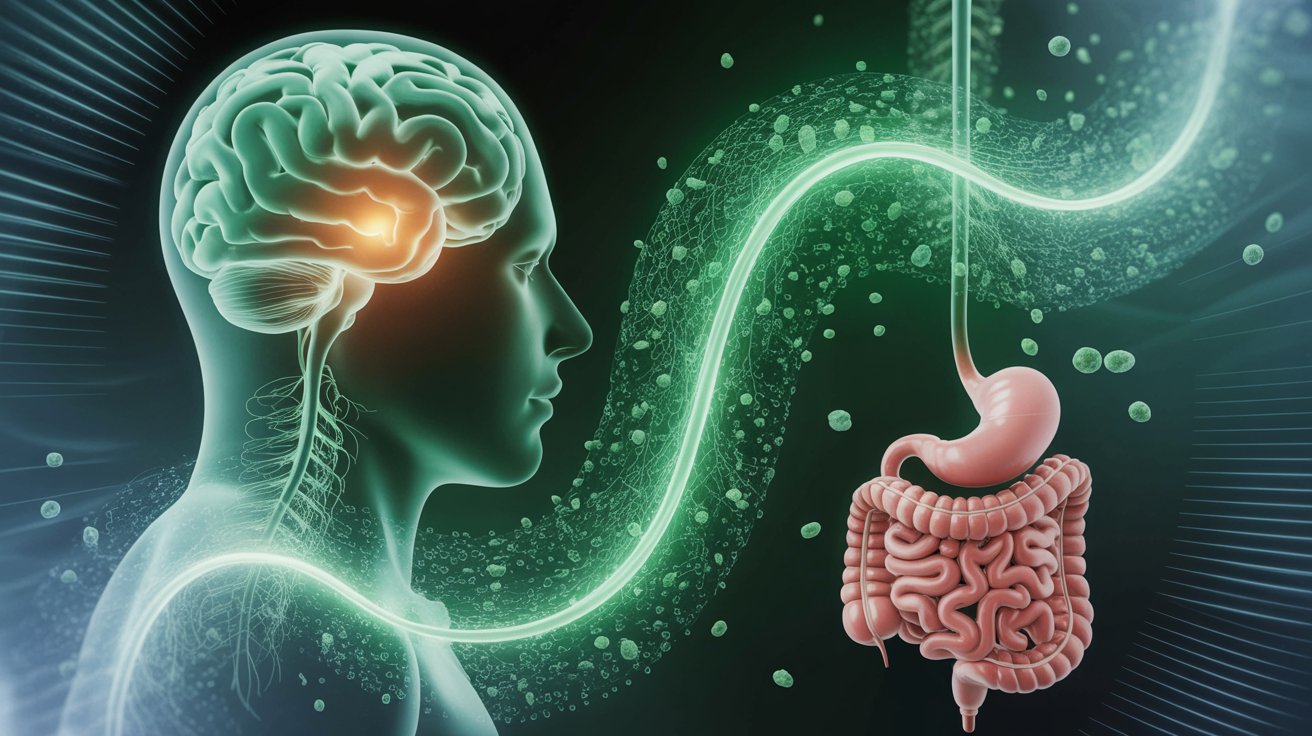
At the center of the book lies the concept of the gut-brain axis, a complex communication pathway connecting the digestive system and the nervous system. Through neural signals, hormones, immune responses, and chemical messengers, the gut and brain remain in constant conversation.
“The gut is often referred to as the second brain.”
While the phrase may sound surprising, the book explains why it has gained scientific credibility. The digestive system contains an extensive network of neurons known as the enteric nervous system, capable of functioning independently while remaining closely linked to the brain.
This relationship helps explain why emotional stress can trigger digestive symptoms and why digestive health can influence emotional wellbeing.
The gut and brain are not separate entities competing for control—they are partners in a deeply interconnected system.
🌱 The Microbiome: The Invisible World Within
One of the most compelling sections of The Mind-Gut Connection explores the human microbiome—the vast community of trillions of microorganisms living primarily within the digestive tract.
Far from being harmful invaders, many of these microbes perform essential functions that support health. They assist with digestion, influence immune function, help regulate inflammation, and may even contribute to emotional wellbeing.
“We are not simply human beings; we are superorganisms.”
This idea reshapes how identity itself is understood. Human health is not determined solely by our own cells, but also by the microscopic ecosystem living within us.
Mayer presents emerging research suggesting that the composition of the microbiome may influence stress responses, mood regulation, and susceptibility to certain illnesses.
The implication is profound: caring for gut health may also support mental and emotional resilience.
⚡ Stress: The Silent Disruptor of Gut Health
Throughout the book, stress emerges as one of the most powerful influences on the gut-brain relationship. Modern life often subjects individuals to chronic stress, which can disrupt digestive function, alter microbial balance, and amplify inflammation.
“The body does not distinguish sharply between emotional threats and physical threats.”
This observation helps explain why prolonged stress frequently manifests physically. The digestive system often becomes one of the first places where emotional strain appears.
Mayer demonstrates how stress affects appetite, digestion, gut permeability, and microbial diversity. The relationship is circular: stress impacts the gut, and disturbances in the gut may further intensify stress.
Understanding this cycle is essential for breaking it.
🌊 Food as Information, Not Just Nutrition
One of the book’s most practical insights is its redefinition of food. Rather than viewing meals solely through the lens of calories, Mayer encourages readers to see food as biological information.
Every dietary choice influences the microbiome, immune system, and gut-brain communication pathways.
“What we eat shapes the ecosystem within us.”
This perspective elevates nutrition beyond weight management. Food becomes a daily opportunity to support microbial diversity, reduce inflammation, and strengthen the systems that influence both physical and mental wellbeing.
The book consistently highlights the importance of whole foods, plant diversity, and dietary patterns that nourish the gut microbiome.
🔥 Emotional Health Begins in Unexpected Places
A particularly compelling aspect of The Mind-Gut Connection is its challenge to traditional assumptions about emotional wellbeing. Mental health is often discussed exclusively in psychological terms, yet Mayer reveals that biological systems play a significant role as well.
The book explores how gut health may influence emotional states, resilience, stress responses, and overall psychological functioning.
“The health of the mind and the health of the gut are inseparable.”
While the book avoids simplistic claims, it presents a growing body of evidence suggesting that emotional wellness cannot be fully understood without considering the gut.
This integrated perspective represents one of the most exciting developments in modern health science.
🛡️ A New Vision of Wellness
Perhaps the most valuable contribution of the book is its holistic approach. Rather than separating mental health, digestive health, nutrition, and lifestyle into isolated categories, Mayer demonstrates how deeply interconnected they are.
Sleep, movement, stress management, relationships, diet, and emotional wellbeing all influence the same biological networks.
True health, therefore, is not achieved by optimizing one system while ignoring others. It emerges from balance and integration.
✨ Why This Book Stays With You
The Mind-Gut Connection remains memorable because it changes how readers view themselves. It reveals that many experiences often treated as separate—stress, digestion, mood, energy, and immunity—are part of a larger interconnected story.
“Understanding the gut-brain connection changes how we understand health itself.”
The book stays with readers because it replaces fragmented thinking with a more complete picture of wellbeing.
It encourages a deeper appreciation for the remarkable systems working quietly within us every day.
🎯 Who Should Read This Book
✔️ Readers interested in gut health and nutrition science
✔️ Anyone exploring the relationship between mental and physical wellbeing
✔️ Individuals dealing with stress-related digestive issues
✔️ Health enthusiasts seeking evidence-based insights into the microbiome and wellness
💭 Final Reflection
The Mind-Gut Connection is ultimately a book about connection—between biology and psychology, body and mind, food and emotion. Dr. Emeran Mayer reveals that health is not simply the absence of disease, but the harmony of systems constantly communicating beneath the surface.
“The gut and brain function as parts of a single integrated network.”
And perhaps the book’s deepest lesson is this: to care for the mind, we must also care for the gut, because the conversation between them never truly stops.
Disclosure: This article contains affiliate links.
Explore more book summaries on Reading Axis. Book Summaries
Read the summary of Atomic Habits – Transform your life in 4 Laws https://thereadingaxis.com/atomic-habits-summary-4-powerful-laws-to-build-good-habits-and-break-bad-ones/
Read the summary of Psychology of Money – Timeless lessons https://thereadingaxis.com/psychology-of-money-summary/
Read the summary of Deep Work https://thereadingaxis.com/deep-work-book-summary/
Read the summary of 48 Laws of Power https://thereadingaxis.com/48-laws-of-power-summary-robert-greene/
Read the summary of Rich Dad Poor Dad https://thereadingaxis.com/rich-dad-poor-dad-summary/
Read the summary of Dopamine Detox https://thereadingaxis.com/dopamine-detox-book-summary/
Read the summary of The Alchemist https://thereadingaxis.com/the-alchemist-summary-personal-legend/
Read the summary of Can’t hurt me https://thereadingaxis.com/cant-hurt-me-summary-david-goggins/