

The Molecule of More Summary
✍️ About the Authors
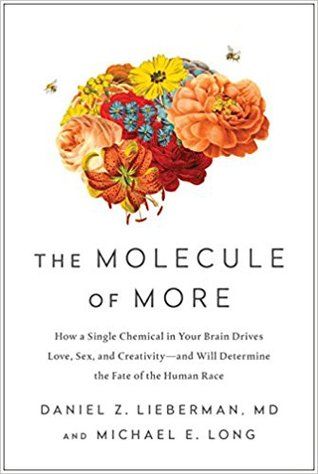
The Molecule of More was written by neuroscientist Daniel Z. Lieberman and writer Michael E. Long. Combining cutting-edge neuroscience with engaging storytelling, the authors explore one of the most influential chemicals in the human brain: dopamine.
Most people associate dopamine with pleasure, happiness, or reward. Yet the book reveals a far more surprising reality. Dopamine is not primarily the molecule of enjoyment. It is the molecule of anticipation, desire, possibility, and pursuit. It is the force that drives innovation, ambition, romance, discovery, creativity, and progress. At the same time, it can fuel obsession, addiction, dissatisfaction, and endless craving.
Through science, psychology, history, and real-world examples, the book offers a fascinating explanation for why humans constantly seek more—even when they already have enough.
🌿 Dopamine Is Not About Having – It Is About Wanting
One of the most important ideas in the book is that dopamine does not create satisfaction. Instead, it creates desire.
Most people assume happiness comes from acquiring what they want. Yet the brain often experiences the strongest dopamine response not when rewards are received, but when rewards are anticipated.
“Dopamine is not about pleasure. It is about the anticipation of pleasure.”
This distinction changes everything.
The excitement of planning a vacation often feels stronger than the vacation itself. The thrill of pursuing a dream may exceed the satisfaction of achieving it. The anticipation of a new relationship can feel more intoxicating than the stability that follows.
According to the authors, dopamine is fundamentally future-oriented. It constantly directs attention toward what could be rather than what already exists.
This future-focused system has helped humanity innovate, explore, and evolve. But it also explains why lasting satisfaction can sometimes feel frustratingly elusive.
🧠 The Brain’s Constant Search for More
At the center of the book lies a profound observation about human nature: we are wired to pursue possibilities.
“Dopamine always asks one question: What comes next?”
This biological drive has fueled some of humanity’s greatest achievements. Scientific discoveries, artistic breakthroughs, technological innovation, and entrepreneurial success all depend on imagining futures that do not yet exist.
Dopamine encourages exploration. It motivates risk-taking. It rewards curiosity.
Without it, civilization would likely stagnate.
Yet the same mechanism that drives progress can also make contentment difficult. The moment one goal is achieved, dopamine often shifts attention toward the next objective.
The result is a constant tension between achievement and satisfaction.
❤️ Love, Romance, and the Chemistry of Desire
One of the most fascinating sections of The Molecule of More explores romantic relationships through the lens of neuroscience.
The intense excitement often experienced at the beginning of a relationship is heavily influenced by dopamine. Newness, uncertainty, anticipation, and possibility all stimulate the brain’s reward systems.
“Dopamine loves novelty.”
This helps explain why early romance often feels magical.
However, long-term relationships depend on a different set of neurochemical systems associated with connection, trust, comfort, and attachment.
The authors argue that confusion between these systems can create unrealistic expectations. Many people mistakenly believe the fading of intense excitement means love has disappeared, when in reality the relationship may simply be transitioning into a deeper form of connection.
The book offers a compelling framework for understanding why human relationships can feel both exhilarating and complicated.
⚡ Ambition, Success, and the Pursuit of Achievement
Dopamine plays a central role in ambition.
Whether building a company, pursuing a degree, writing a book, or chasing athletic excellence, dopamine helps maintain focus on future rewards.
“Dopamine is the source of ambition.”
The authors explain that many high achievers are strongly influenced by dopamine-driven thinking. They are energized by possibilities, future goals, and visions of what could be.
This can produce extraordinary accomplishments.
However, the book also highlights the downside. Success often fails to provide the lasting fulfillment people expect because dopamine quickly redirects attention toward the next challenge.
The achievement itself may matter less to the brain than the pursuit.
This insight helps explain why even highly successful individuals sometimes struggle with dissatisfaction.
🌊 Addiction and the Dark Side of Dopamine
While dopamine drives progress, it can also become destructive.
One of the most powerful sections of the book examines addiction. Whether related to substances, gambling, social media, shopping, or other compulsive behaviors, addiction frequently exploits the brain’s dopamine systems.
“The promise of reward is often more powerful than the reward itself.”
Addictive behaviors create cycles of anticipation that repeatedly activate dopamine pathways.
Over time, the pursuit itself can become more compelling than the actual reward.
This helps explain why people continue engaging in harmful behaviors even when those behaviors no longer provide genuine enjoyment.
The book presents addiction not as a moral failure but as a biological process deeply connected to the brain’s motivational systems.
🌱 Living in the Future Versus Living in the Present
A recurring theme throughout The Molecule of More is the tension between future-oriented thinking and present-moment experience.
Dopamine excels at helping people imagine, plan, and strive. But it is not designed to help people appreciate what they already have.
“Dopamine promises happiness. It does not deliver happiness.”
The authors suggest that fulfillment often requires balancing dopamine-driven ambition with systems that allow people to experience gratitude, connection, and enjoyment in the present.
This balance may be one of the most important challenges of modern life.
Without ambition, growth stagnates.
Without presence, satisfaction disappears.
🔥 Creativity, Innovation, and Human Progress
The book celebrates dopamine’s extraordinary role in creativity.
Artists, inventors, scientists, entrepreneurs, and visionaries frequently rely on the ability to imagine realities that do not yet exist.
Dopamine fuels possibility.
It helps people challenge assumptions, explore alternatives, and envision better futures.
Many of humanity’s greatest achievements emerged because individuals were willing to pursue ideas that seemed impossible at the time.
In this sense, dopamine is not merely a chemical—it is one of the driving forces behind civilization itself.
✨ Why This Book Stays With You
The Molecule of More remains memorable because it provides a powerful lens through which to understand human behavior.
Suddenly, many experiences begin to make sense: the excitement of new goals, the difficulty of staying satisfied, the intensity of early romance, the pull of social media, the drive for achievement, and the persistence of addiction.
“The molecule of more is always looking ahead.”
The book does not argue that dopamine is good or bad.
Instead, it reveals how profoundly this chemical influences nearly every aspect of life.
Understanding dopamine means understanding many of the forces that shape human decisions.
🎯 Who Should Read This Book
✔️ Readers interested in psychology, neuroscience, and human behavior
✔️ Anyone curious about motivation, ambition, and achievement
✔️ People seeking insight into relationships, addiction, and happiness
✔️ Professionals interested in understanding the science behind decision-making and desire
💭 Final Reflection
The Molecule of More is ultimately a book about one of humanity’s greatest strengths and greatest challenges.
Dopamine pushes us toward the future. It inspires innovation, exploration, creativity, and growth. Yet it can also keep us chasing endlessly, always believing fulfillment lies just beyond the next achievement.
“The very thing that drives us forward can also keep us from appreciating where we are.”
Perhaps the book’s deepest lesson is that a meaningful life requires both sides of the equation: the ambition to pursue what is possible and the wisdom to appreciate what already exists.
True wellbeing may not come from choosing one over the other, but from learning how to balance both.
Disclosure: This article contains affiliate links.
Explore more book summaries on Reading Axis. Book Summaries
Read the summary of Atomic Habits – Transform your life in 4 Laws https://thereadingaxis.com/atomic-habits-summary-4-powerful-laws-to-build-good-habits-and-break-bad-ones/
Read the summary of Psychology of Money – Timeless lessons https://thereadingaxis.com/psychology-of-money-summary/
Read the summary of Deep Work https://thereadingaxis.com/deep-work-book-summary/
Read the summary of 48 Laws of Power https://thereadingaxis.com/48-laws-of-power-summary-robert-greene/
Read the summary of Rich Dad Poor Dad https://thereadingaxis.com/rich-dad-poor-dad-summary/
Read the summary of Dopamine Detox https://thereadingaxis.com/dopamine-detox-book-summary/
Read the summary of The Alchemist https://thereadingaxis.com/the-alchemist-summary-personal-legend/
Read the summary of Can’t hurt me https://thereadingaxis.com/cant-hurt-me-summary-david-goggins/