

The Great Gatsby Summary
✍️ About the Author: F. Scott Fitzgerald
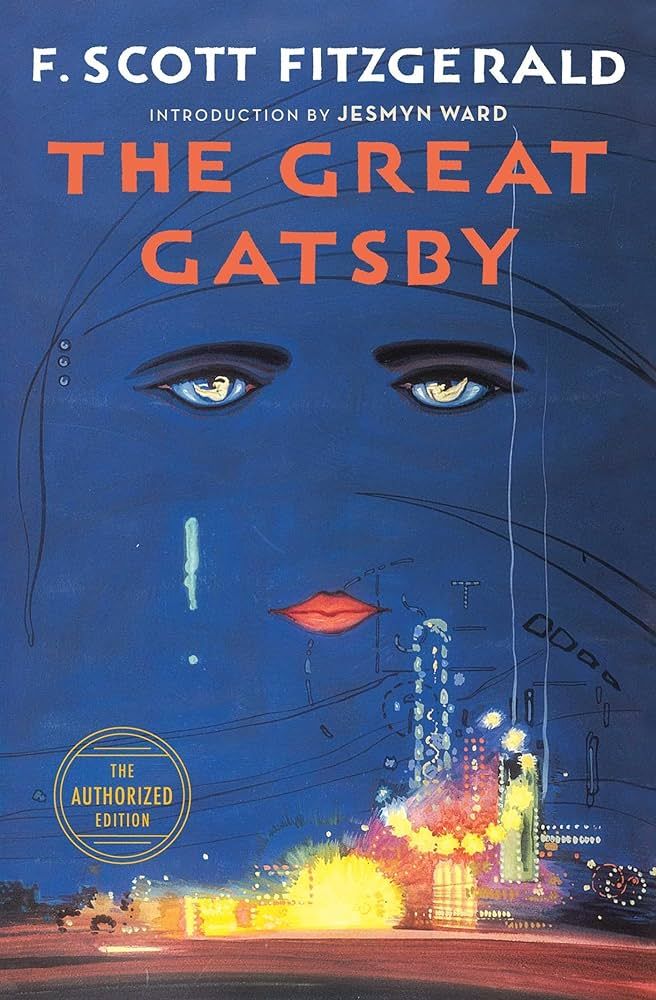
F. Scott Fitzgerald is regarded as one of the defining literary voices of the Jazz Age, capturing both the glamour and emptiness of 1920s America with remarkable emotional precision. His writing often explored ambition, wealth, love, and the fragile illusion of success. In The Great Gatsby, Fitzgerald created not only a tragic love story, but one of the most enduring critiques of the American Dream ever written.
Published in 1925, the novel remains timeless because beneath its elegance lies something deeply human: the longing to reclaim an idealized past and the painful realization that some dreams are impossible to hold onto.
🌊 Entering Gatsby’s World of Glamour and Mystery
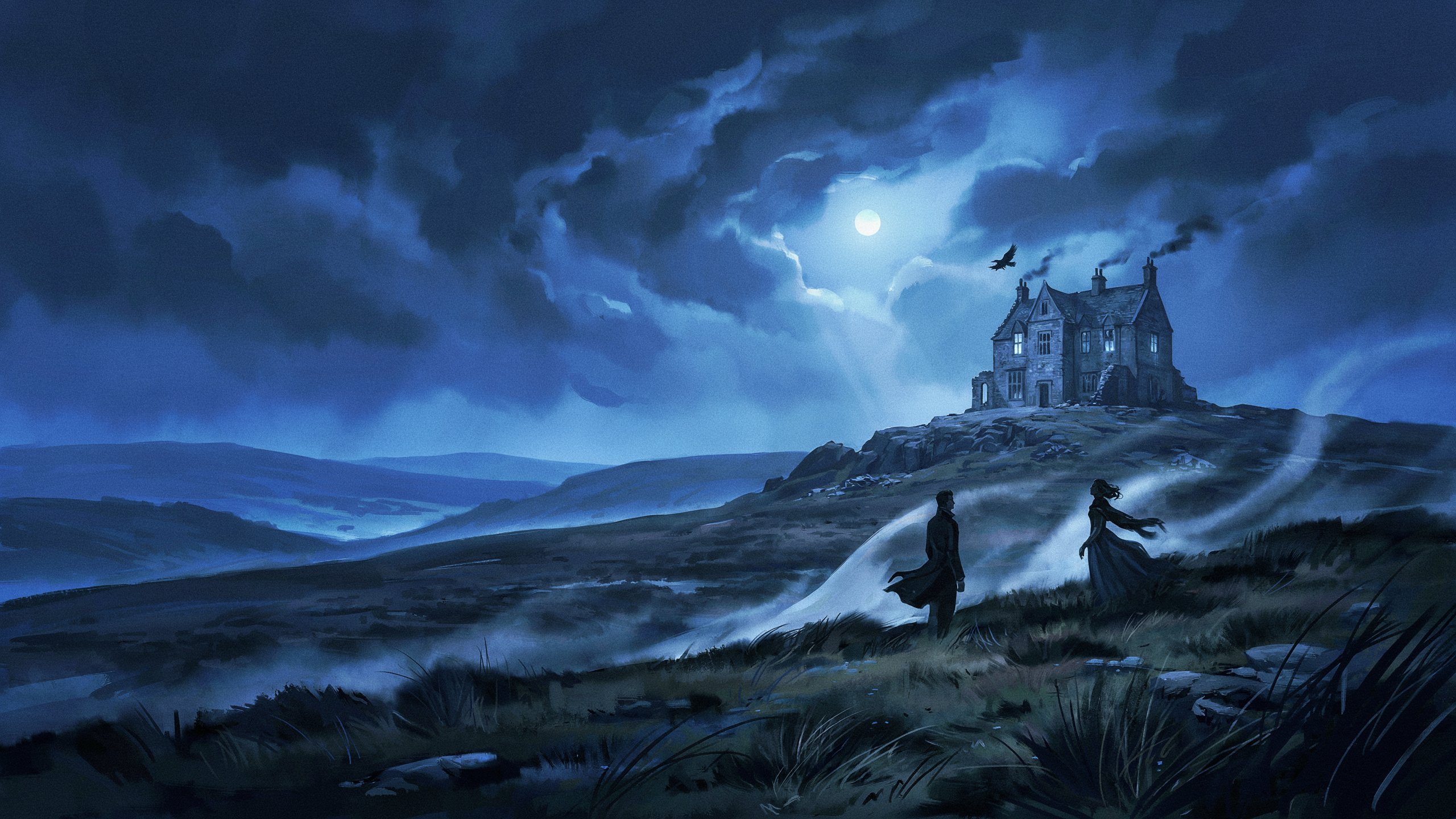
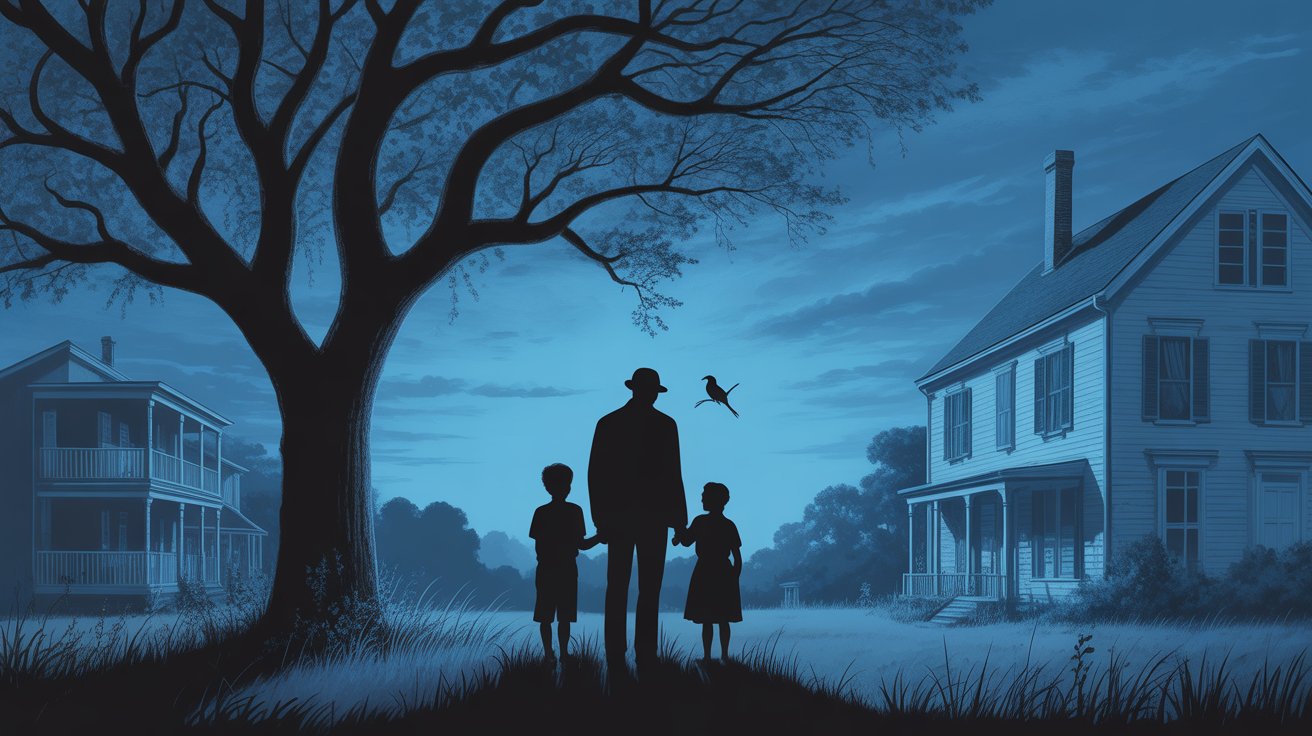
The story unfolds through the perspective of Nick Carraway, a quiet and observant narrator who moves to West Egg, Long Island, during the roaring twenties. There, he becomes fascinated by his mysterious neighbor, Jay Gatsby—a wealthy man known for hosting extravagant parties filled with music, laughter, and strangers who barely know him.
“In his blue gardens men and girls came and went like moths among the whisperings and the champagne and the stars.”
At first, Gatsby appears larger than life, almost mythic. His mansion glows with excess, his reputation surrounded by rumors and speculation. Yet beneath the glamour exists an unmistakable loneliness.
The parties are crowded, but Gatsby himself remains emotionally isolated, endlessly reaching toward something distant and unattainable.
🧠 The Green Light and the Illusion of Desire
At the emotional center of the novel lies Gatsby’s obsession with Daisy Buchanan, a woman he once loved before leaving for war. Everything Gatsby has built—his fortune, his image, his entire identity—exists in pursuit of rekindling that lost relationship.
“Gatsby believed in the green light, the orgastic future that year by year recedes before us.”
The green light across the bay becomes one of literature’s most powerful symbols. It represents not only Daisy, but longing itself—the belief that happiness forever exists just beyond reach.
What makes Gatsby tragic is not simply that he loves Daisy, but that he idealizes her beyond reality. He does not chase the woman as she truly is; he chases the dream she represents.
⚡ Wealth, Status, and the Fragility of the American Dream
Beneath the novel’s romance lies a sharp critique of wealth and social hierarchy. Gatsby acquires immense riches believing they will allow him to enter Daisy’s world fully, yet Fitzgerald reveals that money alone cannot erase class divisions or emotional emptiness.
“They were careless people, Tom and Daisy—they smashed up things and creatures and then retreated back into their money.”
Tom and Daisy Buchanan embody inherited privilege—careless, insulated, and morally detached. Gatsby, despite his wealth, remains an outsider because his success is self-made and therefore never fully accepted.
Fitzgerald uses these contrasts to expose the illusion behind the American Dream: the promise that ambition and hard work guarantee belonging and fulfillment.
🌌 The Loneliness Beneath the Luxury
One of the novel’s most haunting aspects is how empty Gatsby’s world ultimately feels. The dazzling parties, expensive cars, and lavish lifestyle create spectacle, but not genuine connection.
People are drawn to Gatsby’s wealth, yet very few truly know or care about him.
“I was within and without, simultaneously enchanted and repelled by the inexhaustible variety of life.”
Nick’s narration captures this duality perfectly—the beauty of the era mixed with a growing sense of emotional decay.
The novel gradually reveals that beneath society’s glamour lies isolation, moral carelessness, and a desperate attempt to escape dissatisfaction.
🔥 Time, Memory, and the Impossible Past
Perhaps the most heartbreaking theme in The Great Gatsby is Gatsby’s refusal to accept that the past cannot be recreated. He believes that through enough determination and wealth, he can restore life exactly as it once was.
“Can’t repeat the past? Why of course you can!”
This belief becomes Gatsby’s greatest illusion.
Fitzgerald portrays memory as seductive but dangerous. The more Gatsby clings to his idealized vision of the past, the further he drifts from reality itself.
🛡️ Nick Carraway and the Search for Authenticity
As narrator, Nick functions not merely as observer, but as moral contrast to the world around him. Through Gatsby, Nick witnesses both the beauty of hope and the destruction caused by illusion.
Despite Gatsby’s flaws, Nick ultimately admires him because Gatsby possesses something rare within the novel’s cynical world: genuine belief.
“They’re a rotten crowd… You’re worth the whole damn bunch put together.”
This moment reveals why Gatsby remains unforgettable. Even in failure, he retains a sense of dream and emotional sincerity absent in those around him.
✨ Why This Book Stays With You
The Great Gatsby endures because it captures universal human longing with extraordinary elegance. It is not simply about wealth or romance—it is about the painful tension between reality and desire.
“So we beat on, boats against the current, borne back ceaselessly into the past.”
This final line lingers because it reflects something timeless: humanity’s tendency to move forward while emotionally reaching backward.
The novel stays with readers because it understands how deeply people cling to dreams, even when those dreams slowly destroy them.
🎯 Who Should Read This Book
✔️ Readers interested in classic literature and timeless themes
✔️ Those fascinated by wealth, ambition, and emotional longing
✔️ Students exploring symbolism, the American Dream, and literary fiction
✔️ Anyone seeking beautifully written stories about love, illusion, and identity
💭 Final Reflection
The Great Gatsby is ultimately a novel about illusion—the illusion of love, success, status, and even memory itself. Fitzgerald reveals that beneath society’s glittering surface often lies loneliness and dissatisfaction. Yet he also portrays something deeply human: the refusal to stop dreaming, even when reality demands surrender.
“There are only the pursued, the pursuing, the busy and the tired.”
And perhaps that is why Gatsby continues to resonate across generations—not because he achieves his dream, but because he dares to believe in it completely, even as it slips further away.
Disclosure: This article contains affiliate links.
Explore more book summaries on Reading Axis. Book Summaries
Read the summary of Rich Dad Poor Dad https://thereadingaxis.com/rich-dad-poor-dad-summary/
Read the summary of Dopamine Detox https://thereadingaxis.com/dopamine-detox-book-summary/
Read the summary of The Alchemist https://thereadingaxis.com/the-alchemist-summary-personal-legend/
Read the summary of The Kite Runner https://thereadingaxis.com/the-kite-runner-book-summary/
Read the summary of The Vegetarian – Han Kang https://thereadingaxis.com/the-vegetarian-by-han-kang-summary/
Read A Thousand Splendid Suns – Khaled Hosseini https://thereadingaxis.com/a-thousand-splendid-suns-summary/
Read Think and Grow Rich – Napoleon Hill https://thereadingaxis.com/think-and-grow-rich-summary-laws-of-success/
Read Ego is the Enemy – Ryan Holiday https://thereadingaxis.com/ego-is-the-enemy-summary-lessons/